Document translation
Excel and CSV translation: preserve formulas, IDs and table structure
A field-level workflow for translating spreadsheets without corrupting formulas, identifiers, CSV quoting or row mappings.
Excel translationCSV translation
BUILT FOR MULTILINGUAL PRODUCTS
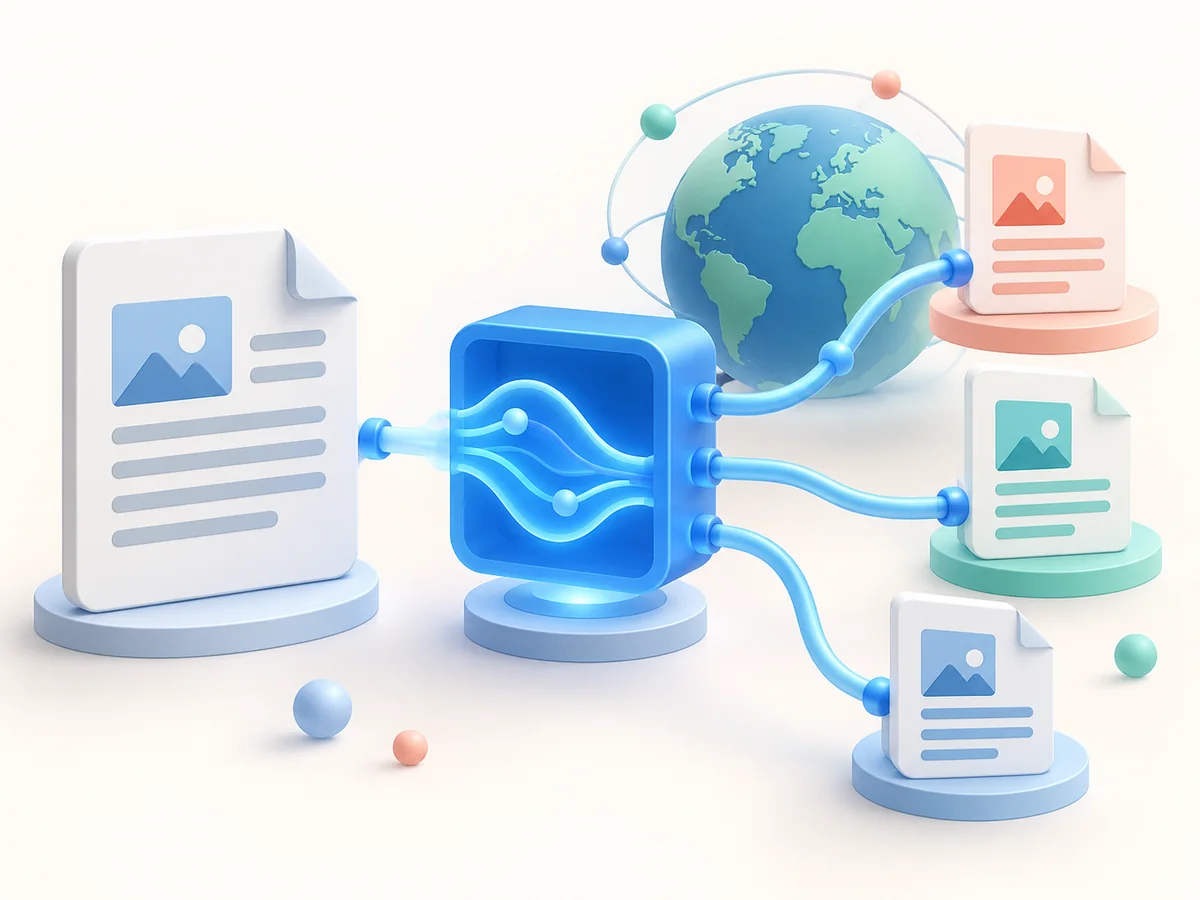
Connect translation to your product through one clear API. Bring your content and users closer, across languages.
DeepL available · More engines being integrated
PLATFORM CAPABILITIES
Integrate through HTTPS and JSON, with less provider-specific code in your product.
Select engines through one entry point and handle availability in one place.
Use request IDs, timing and character usage to understand and troubleshoot requests.
Start with the hosted service or deploy with Go and Docker in your own environment.
DEVELOPER EXPERIENCE
Create a key, submit text and read the result. Add translation to your existing workflow, then expand as you need.
Create credentials in the console and keep them server-side.
Submit text, a target language and an optional engine.
Read the translation, track requests and set bounded retries.
curl -X POST https://api.deeplvip.com/api/v1/translate \
  -H "Authorization: Bearer YOUR_API_KEY" \
  -H "Content-Type: application/json" \
  -d '{"text":"Hello, world!","target_lang":"zh-Hans"}'
LEARN FROM PRACTICE
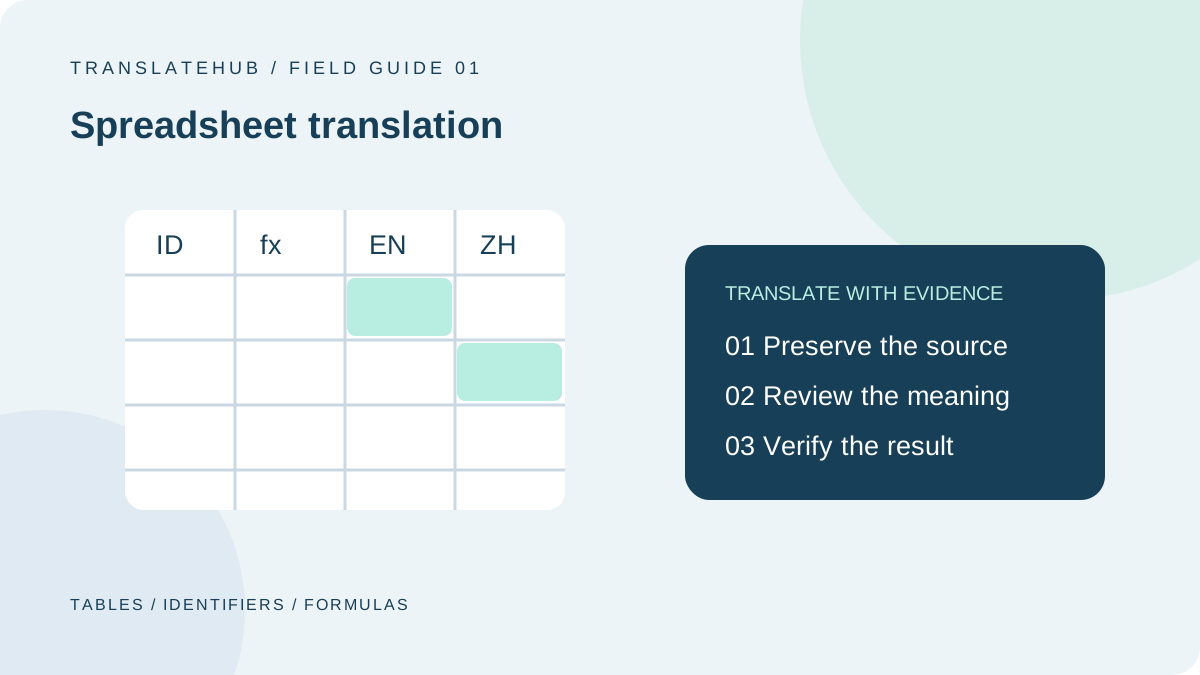
A field-level workflow for translating spreadsheets without corrupting formulas, identifiers, CSV quoting or row mappings.
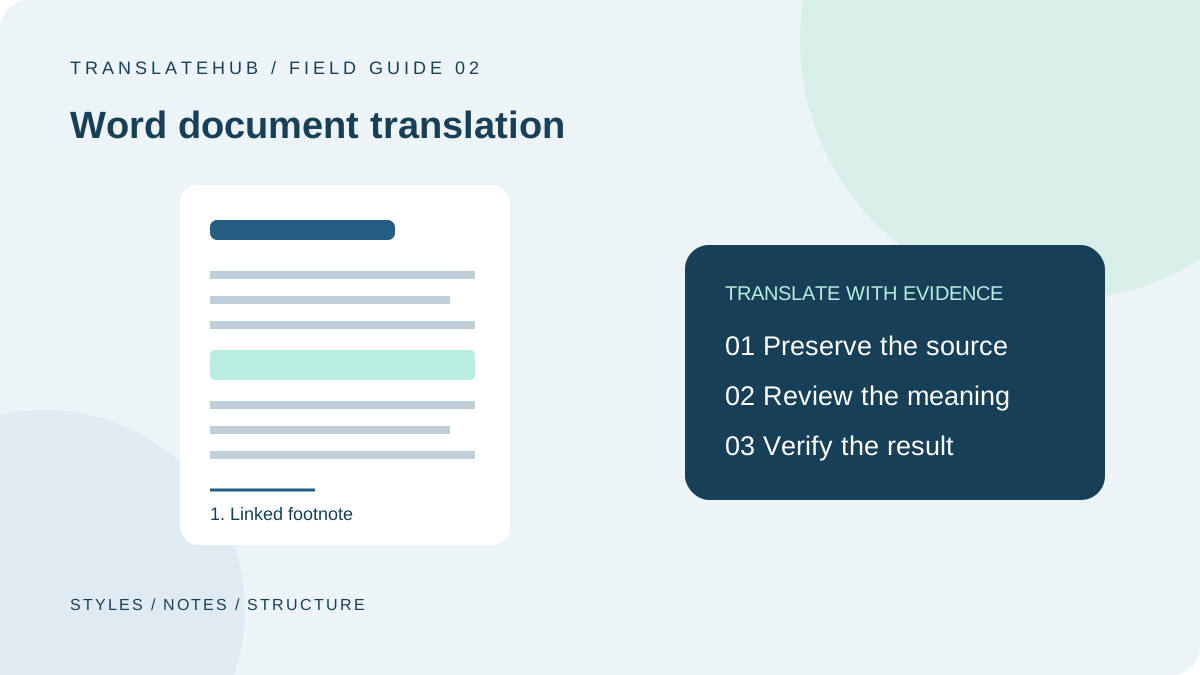
Translate Word documents with a controlled workflow for heading styles, tables, footnotes, revision history and final delivery.
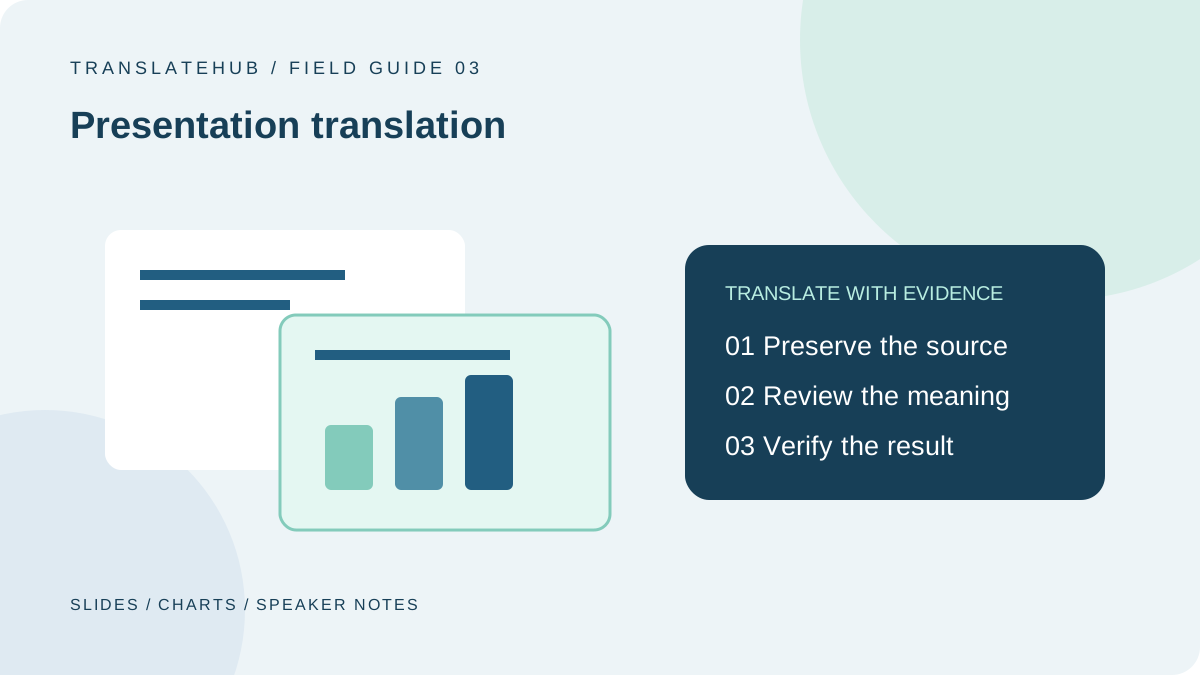
Translate presentation decks while preserving the message, chart facts, speaker notes, reading order and readable slide layouts.
READY FOR YOUR NEXT STEP?
Explore character plans or get answers to common questions.