Translation API performance: caching, batching and Core Web Vitals
Reduce translation latency and infrastructure cost with cache keys, batching and an SEO-aware rendering strategy.

Why translation speed can affect SEO
If a browser must wait for a translation API before showing primary content, network latency can delay Largest Contentful Paint and late text can shift layout. For indexable pages, translate at build time or on the server and return complete HTML. Reserve real-time translation for chat, user input and other non-indexed experiences.
Treat cached translations as content assets
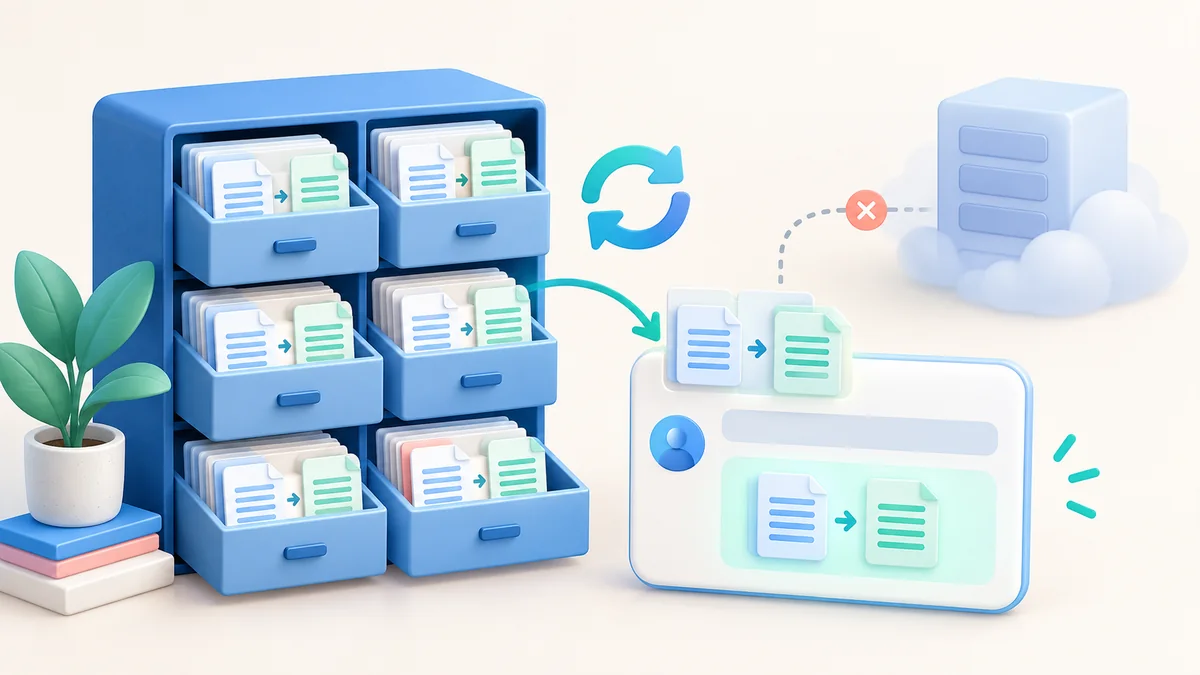
A stable cache key should include the source hash, source and target languages, engine, model version and glossary version. Text plus target language alone may return stale output after engine or glossary changes. Cache successful results with a deliberate TTL, avoid caching failures as normal output, and invalidate when source content or terminology changes.
translation:{source_hash}:{source_lang}:{target_lang}:{engine}:{glossary_version}
Design batching and concurrency together
Batching short segments reduces connection and protocol overhead, but oversized batches make retries expensive. Build moderate batches by character count and paragraph boundaries, with separate concurrency limits for each provider. Use exponential backoff with jitter for 429 and temporary 5xx responses, and log request IDs instead of retrying indefinitely.
Choose rendering around Core Web Vitals
Google recommends focusing on LCP, INP and CLS. For translated pages, the best optimization is often removing the translation request from the critical rendering path: pre-render popular languages, cache complete HTML at the CDN, reserve text space and avoid replacing navigation or headings after load.
- LCP: return translated hero copy from the server and prioritize critical assets.
- INP: avoid serial processing of large translation payloads on the main thread.
- CLS: reserve stable space for headings, buttons and asynchronous modules.
Verify improvements with data
Track cache hit rate, P50/P95 translation latency, provider errors, characters per request and real-user page metrics together. If hit rate rises without improving LCP, translation may still sit on the critical rendering path. If latency drops while errors rise, revisit batch size and concurrency.
For cache-key and invalidation details, read the translation caching strategy.